


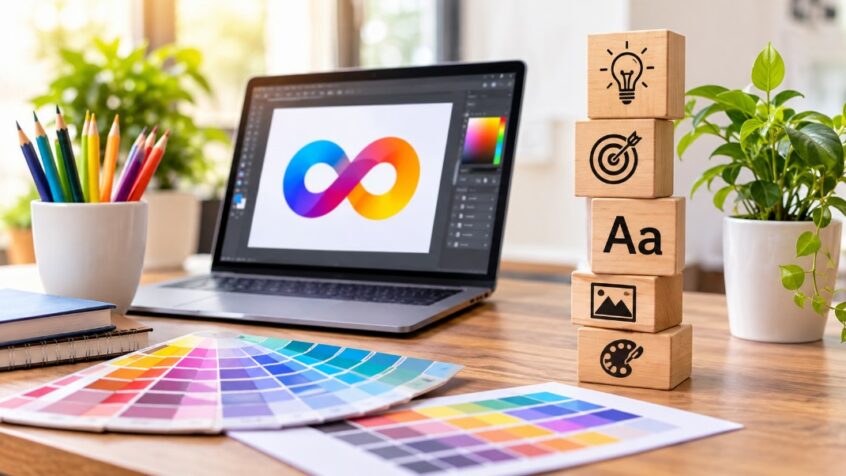
A strong brand is more than a business name or an attractive logo. It is the overall impression people develop whenever they see, visit, or interact with a business. From website layouts and social media graphics to brochures, advertisements, and packaging, every visual element helps shape that impression. When these elements follow a clear direction, customers can recognize the business more easily and develop confidence in what it offers.
Strategic graphic design brings these visual elements together through consistent colors, fonts, layouts, images, and messaging. It gives a brand a recognizable appearance while making communication easier for its audience. 8 Waves Creative understands how thoughtful visual communication can help businesses create a stronger identity and build lasting connections with their customers.
Creating a Clear and Recognizable Brand Identity
A recognizable brand identity helps customers identify a business without having to read its name every time. Visual elements create familiarity, making it easier for people to connect different marketing materials with the same company. A clear identity also gives employees, designers, and marketing teams a shared direction when creating new content.
A well-planned identity usually includes several connected elements:
- Logo Design: A distinctive logo gives customers a visual symbol they can associate with the business across different platforms.
- Color Selection: A carefully selected color palette creates a consistent appearance and helps communicate the brand’s personality.
- Typography: Consistent font choices make written communication easier to recognize and maintain a professional appearance.
- Visual Style: Photography, illustrations, icons, and graphic patterns help establish a recognizable creative direction.
- Brand Guidelines: Clear instructions explain how visual elements should be used across different marketing materials.
These elements should work together rather than appear as separate design decisions. When customers repeatedly see the same visual identity, they become more familiar with the business and can recognize it across different channels.
Building Trust Through Consistent Visual Communication
Consistency plays an important role in how customers view a business. When a website uses one visual style, social media follows another, and printed materials look completely different, the brand can feel disconnected. Customers may struggle to identify whether the materials belong to the same company.
A consistent visual approach creates a more reliable experience. It shows that a business pays attention to details and communicates with a clear purpose. This can help customers feel more comfortable exploring its products or services.
Businesses can maintain visual consistency through a few practical steps:
- Use the same approved logo variations across websites, advertisements, and printed materials.
- Follow a defined color palette instead of introducing unrelated colors for every campaign.
- Maintain consistent font styles, sizes, and spacing across marketing designs.
- Use photographs and illustrations that match the brand’s established visual direction.
- Create reusable templates for social media posts, presentations, and promotional materials.
Consistency does not mean every design must look identical. Different campaigns can have their own creative approach while still following the same brand identity. The goal is to make every communication feel connected to the same business.
Using Colors and Typography to Communicate Brand Personality
Colors and typography influence how people understand and respond to a brand. They help communicate whether a business feels modern, creative, professional, friendly, or traditional. These choices also affect readability and the overall appearance of marketing materials.
A thoughtful visual approach considers both the emotional and practical role of these elements. For example, a financial business may prefer a clean layout and restrained color palette to communicate reliability. A creative business may use more expressive colors and typography to show its personality.
Here are some important considerations when selecting these elements:
- Choose Meaningful Colors: Select colors that reflect the brand’s personality and remain suitable for its audience.
- Prioritize Readability: Use fonts that are easy to read on mobile screens, desktop displays, and printed materials.
- Limit Font Variations: Keep a small group of complementary fonts to avoid creating a confusing visual experience.
- Maintain Contrast: Make sure text stands out clearly against its background.
- Consider Accessibility: Use appropriate color contrast and readable text sizes to make information easier for more people to access.
The right combination creates a visual language that customers can associate with the business. Over time, repeated exposure to these elements helps strengthen brand recognition.
Making Marketing Materials Feel Connected Across Platforms
Customers rarely interact with a business through just one channel. They may discover it through a search result, visit its website, follow its social media accounts, receive an email, or see a printed advertisement. Each interaction contributes to their understanding of the brand.
A coordinated design approach helps ensure that the business looks familiar across these different touchpoints. This is where a graphic design firm in the US can help businesses establish a shared visual direction for their marketing activities.
Different platforms may require different layouts and image sizes, but the underlying identity should remain recognizable.
- Website Design: Use consistent colors, typography, icons, and visual elements throughout the website.
- Social Media: Create branded templates that make posts recognizable while allowing room for different content formats.
- Email Marketing: Maintain familiar layouts, colors, and graphic elements in newsletters and promotional emails.
- Print Materials: Keep brochures, business cards, flyers, and presentations aligned with the main identity.
- Digital Advertising: Use recognizable brand elements so advertisements feel connected to the company’s other communication channels.
Businesses should also consider how their visuals appear on different screen sizes. A design that works well on a desktop may need adjustments for a mobile screen. Keeping the same visual identity while adapting the layout creates a smoother experience.
Creating a Memorable Experience Through Visual Storytelling
People often remember information more easily when it is presented through meaningful visuals. Images, illustrations, layouts, and graphic elements can communicate ideas quickly and make complex information easier to understand.
Visual storytelling gives businesses an opportunity to explain what they do, what they value, and why their products or services matter. Instead of relying only on written descriptions, brands can use creative visuals to make their messages more relatable.
For example, a business introducing a new service can use a combination of photographs, icons, and short supporting text to explain its benefits. A company sharing its history can use branded graphics to highlight important milestones and achievements.
Experiential graphic design is another approach that connects visual communication with physical spaces and real-world interactions. It can help businesses create more engaging environments through signs, displays, wall graphics, and other visual features. Businesses interested in this approach can explore our guide on what experiential graphic design means for businesses.
Effective visual storytelling should focus on a few key principles:
- Use images that support the message rather than simply filling empty space.
- Keep layouts organized so viewers can understand the main idea quickly.
- Choose visual examples that reflect the audience’s interests and needs.
- Maintain a consistent creative style across different storytelling formats.
- Make important information easy to notice without overwhelming the viewer.
When visual storytelling reflects the brand’s personality, it helps create a stronger connection between the business and its audience.
Supporting Business Growth With Flexible Design Systems
As a business grows, its communication needs often become more complex. It may introduce new services, reach different customer groups, expand into new markets, or increase its marketing activities. Without a clear design system, maintaining a consistent appearance across these changes can become difficult.
A flexible visual system gives businesses a reliable foundation for future communication. It allows teams to create new materials without changing the brand’s core identity every time a new requirement appears.
A professional graphic design service can help establish reusable design elements that support these needs while keeping communication aligned with the overall brand direction.
Important parts of a flexible design system include:
- Reusable Templates: Ready-to-use layouts help teams create consistent marketing materials more efficiently.
- Logo Variations: Different logo formats make it easier to maintain visibility across digital and printed applications.
- Design Libraries: Organized colors, fonts, icons, and illustrations help maintain a shared visual language.
- Layout Standards: Consistent spacing, alignment, and content structures create a more organized appearance.
- Usage Guidelines: Clear instructions help employees and external partners apply brand elements correctly.
A flexible system should support creativity rather than restrict it. Teams can develop fresh campaigns and promotional materials while retaining the visual characteristics that make the business recognizable.
Improving Customer Understanding Through Clear Design
Good design is not only about appearance. It also helps people find information, understand messages, and take the next step. When visual communication is unclear, customers may struggle to understand what a business offers or where to find important details.
A well-organized design makes communication easier by giving information a clear structure. Headings, images, icons, spacing, and visual hierarchy guide people through the content without requiring unnecessary effort.
For example, a service page should make its main offering easy to identify. Supporting information should follow a logical order, while important actions such as inquiry links or contact details should be easy to find.
Businesses can improve clarity through these practices:
- Organize Information: Present related information together so visitors can follow the message naturally.
- Highlight Important Details: Use visual hierarchy to draw attention to essential information and actions.
- Avoid Clutter: Remove unnecessary decorative elements that distract from the main message.
- Use Helpful Graphics: Include diagrams, icons, and illustrations when they make information easier to understand.
- Design for Different Devices: Make sure content remains readable and easy to navigate across screen sizes.
Clear communication improves the overall experience and helps customers make more informed decisions.
Measuring the Effectiveness of Brand Design
A visual identity should not remain unchanged simply because it looks attractive. Businesses should also understand whether their design choices are helping them communicate effectively and connect with their intended audience.
Reviewing customer responses and marketing performance can reveal which visual elements are working well and which areas need improvement. These insights help businesses make informed design decisions instead of relying entirely on personal opinions.
Some useful indicators include:
- Brand Recognition: Assess whether customers can identify the business through its visual materials.
- Website Engagement: Review how visitors interact with important pages and visual content.
- Social Media Response: Observe engagement with branded posts, graphics, and campaign visuals.
- Customer Feedback: Collect opinions about the clarity, appearance, and overall experience of brand communication.
- Campaign Performance: Compare how different creative approaches perform against campaign objectives.
These indicators should be considered alongside business goals and customer needs. A successful design system should make the brand easier to recognize, understand, and engage with over time.
Keeping the Brand Relevant Without Losing Its Identity
A brand needs to stay relevant as customer expectations, design trends, and communication channels change. However, following every new trend can make its visual identity inconsistent. Businesses should focus on improvements that support their long-term goals rather than making frequent changes without a clear reason.
Refreshing selected visual elements can help a brand maintain a modern appearance while preserving the features customers already recognize.
A thoughtful update may involve:
- Refreshing Visual Assets: Update outdated images, icons, and graphic elements while retaining recognizable brand features.
- Improving Digital Layouts: Adjust website and social media designs to match changing user expectations.
- Updating Communication Styles: Make visual messages more relevant to the current audience without changing the brand’s personality.
- Maintaining Recognition: Retain familiar colors, logos, and other important identity elements during a redesign.
- Reviewing Brand Guidelines: Update design instructions whenever the business introduces new visual requirements.
A successful brand refresh improves the customer experience without making the business feel unfamiliar. The focus should remain on building recognition while allowing the identity to grow naturally.
Turn Your Brand Identity Into a Lasting Impression
A consistent and memorable brand does not happen by chance. It develops through thoughtful design decisions, clear communication, and the repeated use of recognizable visual elements. From logos and typography to website layouts and marketing materials, every design choice contributes to how customers understand a business.
Strategic graphic design helps bring these elements together, creating a visual identity that supports recognition, builds trust, and makes communication easier. Businesses that invest in a clear design direction can create more connected experiences across their digital and physical platforms.
With the right creative approach, 8 Waves Creative can help businesses communicate their identity through meaningful visual design. If your brand needs a clearer direction or a more consistent appearance, Contact us today to explore how strategic design can support your business goals.
Frequently Asked Questions
What Is the Difference Between Branding and Graphic Design?
Branding defines a business's identity, personality, values, and positioning. Graphic design communicates that identity visually through logos, typography, colors, images, and layouts. Branding establishes the direction, while design helps bring it to life.
How Often Should a Business Refresh Its Visual Identity?
A business should review its visual identity whenever its audience, services, positioning, or communication needs change significantly. A complete redesign is not always necessary. Sometimes, updating selected elements is enough to keep the brand relevant.
Can Small Businesses Benefit From Professional Graphic Design?
Yes. Professional design can help small businesses present themselves clearly, build brand recognition, and create a more consistent appearance across websites, social media, and promotional materials. A recognizable identity can also help customers distinguish a business from other available options.
What Are the Essential Elements of a Brand Style Guide?
A brand style guide generally includes logo usage, color palettes, typography, image selection, icon styles, layout rules, and tone of visual communication. It provides clear instructions so employees and creative partners can produce consistent marketing materials.
How Can I Make My Brand Stand Out in a Competitive Market?
Focus on a distinctive visual identity that reflects your business's personality and connects with your target audience. Use recognizable design elements, communicate your unique value clearly, and maintain consistency across every customer touchpoint. Original visuals and meaningful messaging can help create a stronger impression.

As Senior Project Manager at 8Waves Creative, Sharon brings a strategic, organized approach to managing complex marketing initiatives. With extensive corporate marketing experience across a range of channels, she understands how the pieces fit together to create cohesive, effective campaigns. She keeps projects moving, teams aligned, and the details on track from start to finish.
Outside of work, Sharon enjoys spending time at the beach and cheering on her children from the sidelines.