

Getting visitors to your website is a good start, but traffic alone does not guarantee business growth. A website may attract thousands of visitors and still generate very few inquiries, calls, or sales. This often happens when the website experience, marketing message, and conversion strategy do not work together.
Businesses need more than online visibility to turn visitor interest into real opportunities. They need a clear strategy that attracts the right audience, communicates the value of their services, builds trust, and encourages visitors to take the next step.
Choosing the right digital partner can make this process easier. A reliable agency looks beyond page views and keyword rankings. It studies visitor behavior, identifies website performance gaps, improves user experience, and develops marketing strategies that support business goals.
As 8 Waves Creative understands, effective digital growth comes from connecting a strong online presence with meaningful customer actions. The right approach combines website design, useful content, search visibility, and conversion-focused marketing to help businesses attract qualified prospects.
The goal is not simply to bring more people to a website. It is to create a better customer journey that turns relevant visitors into interested prospects and, eventually, loyal customers.
Why High Website Traffic Does Not Always Generate Sales
High traffic can make a website appear successful, but visitor numbers do not always reflect business performance. People may visit a page, browse for a few seconds, and leave without understanding what the company offers. This usually points to a gap between attracting visitors and giving them a reason to take action.
Several factors can prevent website visitors from becoming potential customers:
- Unclear messaging: Visitors may struggle to understand what the business offers or how its services solve their problems.
- Poor navigation: Complicated menus and confusing page layouts can make it difficult to find important information.
- Weak calls to action: Visitors may not know whether to request a consultation, submit an inquiry, or contact the business.
- Wrong audience targeting: Marketing campaigns may attract people who are interested in general information but are unlikely to become customers.
- Slow website performance: Long loading times can cause visitors to leave before exploring the website.
- Lack of trust: Missing service details, unclear business information, or outdated content can make potential customers hesitate.
Understanding these issues helps businesses focus on attracting relevant visitors and improving the steps that lead to inquiries.
What to Look for When Selecting a Digital Marketing Partner
The right agency should understand that every business has different customers, challenges, and growth targets. Instead of offering the same plan to every client, it should take time to understand your business and recommend suitable solutions. An affordable marketing agency should also focus on practical results rather than making promises that cannot be measured.
Consider these important qualities before making a decision:
- Business understanding: The team should ask about your products, services, customers, and long-term goals before suggesting a strategy.
- Relevant experience: Review its previous projects to understand whether it has worked with businesses facing similar challenges.
- Clear communication: The agency should explain its recommendations in simple language and keep you informed about progress.
- Flexible solutions: Its services should match your current requirements and allow room for future growth.
- Measurable goals: The team should connect its work to meaningful outcomes, such as qualified inquiries, consultation requests, and sales opportunities.
- Long-term support: Look for a partner that monitors performance and makes improvements as your business needs change.
A good working relationship should feel collaborative. You should understand what the agency is doing, why it matters, and how its efforts support your business.
Evaluate Website Design and User Experience
Your website plays a major role in turning online visitors into potential customers. It should communicate your value quickly, answer common questions, and make it easy for people to take the next step. A professional web design service should consider both appearance and functionality when planning a website.
A visually attractive website is not enough if visitors cannot find information or complete an action. Review the following elements when evaluating an agency’s approach:
- Simple navigation: Important pages should be easy to find without making visitors click through multiple menus.
- Clear service information: Each service page should explain what you offer, who it helps, and what makes your business a suitable choice.
- Visible calls to action: Contact options, inquiry forms, and consultation links should appear where visitors naturally need them.
- Mobile-friendly layouts: Pages should remain easy to read and use on smartphones, tablets, and desktop screens.
- Fast loading: Images, scripts, and page elements should be optimized to prevent unnecessary delays.
- Trust-building content: Testimonials, certifications, team information, and relevant business details can help visitors feel more confident.
Businesses can also explore how to improve website design for better user experience and conversions to understand how website structure and usability influence customer actions.
Check the Agency’s Approach to Lead Generation
A successful lead generation strategy does more than bring people to your website. It helps identify visitors who have a genuine interest in your products or services and encourages them to make contact. A skilled website developer can support this process by building useful website features that make inquiries easier to complete.
However, website development should work alongside marketing and conversion planning. Ask prospective agencies how they approach the following areas:
- Landing pages: Focused pages should match the message of an advertisement, search result, or marketing campaign.
- Inquiry forms: Forms should collect relevant details without asking visitors to complete unnecessary fields.
- Contact options: Phone numbers, email links, and consultation requests should be easy to access.
- Conversion tracking: Website actions should be measured so the business can understand which pages and campaigns generate leads.
- Customer journey: Visitors should have a clear path from discovering a service to learning more and making an inquiry.
The agency should also explain how it will evaluate lead quality. A large number of inquiries may not be useful if most come from people who are not interested in the services offered.
Review Content and Brand Communication
Your content influences how people understand your business and decide whether to trust it. Clear service descriptions, helpful articles, and relevant landing pages can answer customer questions before they contact your team. A graphic design agency can also help create consistent visual materials that support your brand message across different platforms.
Content and design should work together rather than compete for attention. When reviewing an agency’s creative approach, consider these areas:
- Brand consistency: Colors, fonts, images, and messaging should create a recognizable experience across your website and marketing channels.
- Helpful website content: Service pages should focus on customer needs instead of relying on vague promotional statements.
- Educational articles: Useful blog content can answer search queries and introduce your business to people researching possible solutions.
- Visual storytelling: Relevant images, illustrations, and videos can make complex information easier to understand.
- Clear brand voice: Your communication should sound consistent across website pages, advertisements, and social platforms.
Strong content gives visitors useful reasons to stay, explore, and learn more about your business.
Understand How Different Marketing Channels Work Together
Businesses often use multiple channels to reach potential customers. Search engines, paid advertisements, email campaigns, and social platforms can all contribute to brand visibility. However, these activities should support the same business goals instead of operating as separate efforts.
For example, social media marketing can introduce your brand to new audiences, while useful website pages provide more detailed information about your services. Search campaigns can attract people who are actively looking for solutions, and remarketing can help reconnect with previous visitors.
A coordinated approach may include:
- Search engine optimization: Improve website visibility for relevant search terms and customer questions.
- Paid advertising: Reach selected audiences through campaigns designed around specific business goals.
- Email communication: Share helpful information and maintain relationships with interested prospects.
- Social platforms: Build awareness, share updates, and direct relevant audiences toward useful website pages.
- Content marketing: Publish information that supports customer research and helps people make informed decisions.
The agency should explain why each channel is being used and how its performance will be evaluated. This helps prevent businesses from spending time and resources on activities that do not support their actual goals.
Measure Results Beyond Website Visits
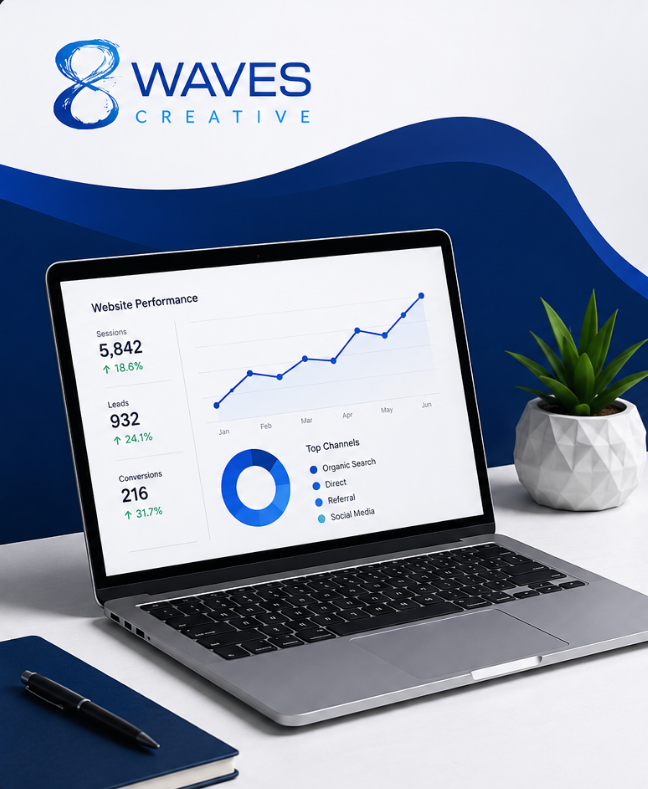
Choosing an agency should involve understanding how it measures success. Website traffic is useful, but it only shows part of the customer journey. Businesses also need to know whether visitors are taking actions that can lead to meaningful sales conversations.
A reliable reporting process should connect marketing activity with business outcomes. Ask the agency which performance indicators it tracks and how often it reviews them.
Some useful measurements include:
- Qualified leads: The number of inquiries that match your target customer profile.
- Conversion rate: The percentage of visitors who complete a desired action.
- Landing page performance: How effectively individual pages encourage visitors to make contact.
- Traffic sources: Which search engines, campaigns, and platforms bring relevant visitors.
- Cost per lead: How much marketing investment is required to generate an inquiry.
- Lead-to-customer rate: How many qualified inquiries eventually become paying customers.
These measurements provide a clearer picture of marketing performance. They also help identify areas that need improvement, such as poorly performing landing pages or campaigns attracting the wrong audience.
Questions to Ask Before Hiring an Agency
Before signing an agreement, have a detailed conversation about the agency’s process, responsibilities, and expectations. These discussions can help you understand whether its approach matches your business needs.
Here are some useful questions to ask:
- How will you identify the reasons my website is not generating enough inquiries?
- What steps will you take to attract visitors who are more likely to become customers?
- How will you measure the success of your campaigns?
- Will I receive regular performance reports and recommendations?
- How do you decide which marketing channels are suitable for my business?
- What involvement will my team have during planning and implementation?
Pay attention to how the agency answers these questions. A good partner should provide clear explanations, realistic expectations, and practical recommendations instead of guaranteeing specific sales results.
Turn Website Traffic Into Your Next Business Opportunity
Choosing the right agency is about finding a team that understands the connection between visibility, customer experience, and business growth. More website visitors can create opportunities, but the right strategy helps turn that attention into meaningful inquiries and stronger customer relationships.
Start by reviewing your website, identifying gaps in your marketing efforts, and setting clear goals. Look for a partner that combines creative thinking with practical planning, consistent communication, and performance tracking.
8 Waves Creative brings together website development, SEO, paid advertising, social media, and creative services to help businesses build a stronger online presence. Its approach focuses on understanding business goals and creating solutions that support measurable growth.
If your website attracts visitors but struggles to generate qualified opportunities, it may be time to rethink your digital strategy. Contact us today to discuss your business goals and explore ways to create a website and marketing strategy that supports better customer engagement and business growth.
Frequently Asked Questions
What Is the Difference Between Lead Generation and Conversion Optimization?
Lead generation focuses on attracting potential customers and encouraging them to show interest in your business. Conversion optimization focuses on improving the experience so more visitors complete actions such as submitting forms, requesting consultations, or making purchases.
Should I Redesign My Website or Improve My Existing Website?
The decision depends on your website's current condition. If the structure, functionality, and design are outdated, a redesign may be useful. If the website already works well but generates few inquiries, improving page content, navigation, and calls to action may be a better starting point.
How Do I Know If My Website Is Attracting the Right Audience?
Review your search queries, traffic sources, visitor locations, engagement patterns, and inquiry details. Compare this information with your ideal customer profile. Relevant traffic should include people whose needs and interests match the products or services your business provides.
What Should a Digital Marketing Proposal Include?
A useful proposal should explain the agency's understanding of your business, recommended services, project scope, expected deliverables, performance indicators, communication process, and reporting approach. It should also clarify responsibilities and how future improvements will be handled.
Can a Small Business Compete With Larger Companies Through Digital Marketing?
Yes. Small businesses can compete by targeting specific audiences, creating useful content, improving local search visibility, and offering a better website experience. A focused strategy can help smaller brands reach relevant customers without trying to match every activity of larger competitors.

As Senior Project Manager at 8Waves Creative, Sharon brings a strategic, organized approach to managing complex marketing initiatives. With extensive corporate marketing experience across a range of channels, she understands how the pieces fit together to create cohesive, effective campaigns. She keeps projects moving, teams aligned, and the details on track from start to finish.
Outside of work, Sharon enjoys spending time at the beach and cheering on her children from the sidelines.