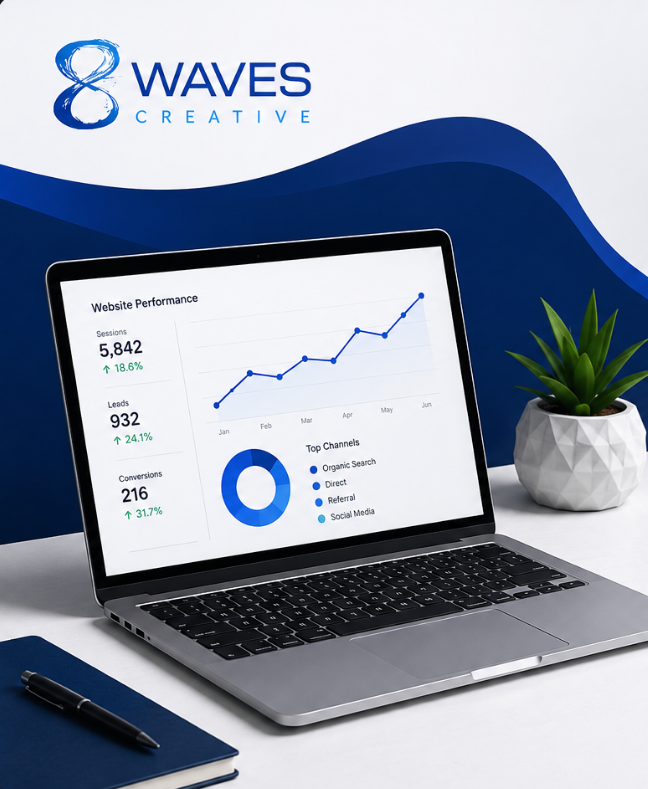



A search-optimized website requires more than attractive visuals and modern layouts. It needs a strategic approach that balances user experience, technical performance, content quality, and search engine requirements. At 8 Waves Creative, we understand that many websites fail to achieve strong visibility because of avoidable mistakes such as poor site structure, slow loading speeds, weak content strategies, and ignoring user intent. site structure, slow loading speeds, weak content strategies, and ignoring user intent.
For website designers, understanding these common development mistakes is essential to creating websites that not only look professional but also perform effectively in search results. A well-planned website supports better rankings, improves engagement, and helps businesses convert visitors into customers.
This guide explores the most important things to avoid when developing a search-optimized website and provides practical insights to help designers create websites that are visually appealing, technically strong, and built for long-term growth.
Short Answer
When developing a search-optimized website, avoid ignoring search intent, creating slow-loading pages, using poor site structures, neglecting mobile optimization, publishing low-quality content, and overlooking technical SEO elements. A successful website should combine strong design principles with SEO best practices to provide a seamless experience for users and search engines.
Ignoring Search Intent During Website Planning
One of the biggest mistakes designers make is focusing only on appearance while ignoring what users actually want from a website. Search engines prioritize websites that provide helpful answers and relevant experiences.
Before starting the design process, it is important to understand the purpose behind user searches. Are visitors looking for information, comparing solutions, or ready to make a purchase? The website structure, navigation, content placement, and calls-to-action should support these different stages.
A visually impressive website may still struggle if users cannot quickly find the information they need. Designers should collaborate with SEO professionals and content teams to ensure every page has a clear purpose.
For businesses investing in professional website development in US markets, aligning design decisions with search intent helps create websites that attract qualified visitors and encourage meaningful interactions.
Creating a Website Without a Strong SEO Foundation
Many website development projects begin with design elements before considering SEO requirements. This approach can create problems later because important optimization factors become difficult to implement.
A search-friendly website should have:
- Logical website architecture
- Clear URL structures
- Proper heading hierarchy
- Optimized page titles and descriptions
- Internal linking strategies
- Crawl-friendly navigation
A strong foundation allows search engines to understand website content more effectively. Without proper planning, designers may need to make major structural changes after launch. Another common issue is creating too many unnecessary pages. Duplicate or thin pages can confuse search engines and reduce overall website quality. Every page should provide unique value and support the website’s main objectives.
Overlooking User Experience and Website Performance
Website design and SEO are closely connected. A website that provides a poor experience can lose visitors quickly, affecting engagement signals and business results.
Some common performance mistakes include:
Slow Loading Pages
Large images, unnecessary animations, excessive plugins, and unoptimized code can increase loading times. Visitors expect websites to load quickly, especially on mobile devices. Designers should optimize media files, use efficient development practices, and reduce unnecessary website elements.
Complicated Navigation
Visitors should be able to find important information without confusion. Complex menus, unclear labels, and excessive clicks can create frustration. A simple navigation structure improves usability and helps search engines understand content relationships.
Poor Visual Hierarchy
A website should guide visitors naturally through important information. Clear headings, balanced layouts, and strategic calls-to-action improve both user experience and conversions.
For additional insights into hidden website challenges that may affect performance, explore this resource: hidden website issues that reduce conversions and slow business growth.
Using Poor Content and Keyword Strategies
Content remains one of the most important elements of search optimization, but many websites fail because they prioritize keywords over usefulness.
Avoid these common content mistakes:
Keyword Stuffing
Repeating keywords unnaturally can damage readability and create a poor user experience. Modern search engines understand context, meaning, and related topics. Instead of forcing keywords into content, designers should create layouts that support valuable, easy-to-read information.
Missing Content Opportunities
A website should answer common questions, explain services clearly, and provide useful resources. Pages with limited information may struggle to compete in search results.
Ignoring Content Structure
Well-organized content improves readability. Use:
- Clear headings
- Short paragraphs
- Bullet points
- Helpful visuals
- Relevant examples
A website developer should consider content placement during the design stage rather than treating it as an afterthought.
Neglecting Technical Optimization During Development
Technical SEO plays a major role in website performance. Even a beautifully designed website can struggle if important technical elements are ignored.
Common technical mistakes include:
- Missing Schema Markup: Schema helps search engines understand website information. Adding structured data can improve how pages appear in search results.
- Poor Image Optimization: Images should have descriptive file names and proper alternative text. Large, unoptimized images can negatively affect page speed.
- Incorrect Redirects: When redesigning websites, broken links and incorrect redirects can harm rankings and create poor user experiences.
- Ignoring Security: Secure websites using HTTPS provide a safer browsing experience and are considered an important quality signal.
The role of a website developer is not only to create attractive pages but also to ensure technical elements support visibility and performance.
Avoiding Mobile-Friendly Design Practices
Mobile optimization is no longer optional. A large percentage of users access websites through smartphones, making responsive design essential.
Avoid creating websites that:
- Have difficult-to-click buttons
- Use unreadable text sizes
- Require excessive scrolling
- Display broken layouts on smaller screens
Responsive websites should automatically adapt across different devices while maintaining consistent branding and functionality. Designers should test websites on multiple screen sizes before launch to identify usability issues.
Skipping Website Testing and Improvement
Launching a website does not mean the optimization process is complete. Continuous monitoring helps identify issues and improve performance.
Important areas to review include:
- Page speed
- Broken links
- Mobile usability
- Search performance
- User behavior
- Conversion paths
Regular testing allows designers to make informed improvements based on real visitor interactions. A successful website should continue evolving as user expectations, technology, and search engine standards change.
Comparison: Search-Optimized Website vs. Design-Only Website
| Area | Search-Optimized Website | Design-Only Website |
| User Experience | Built around visitor needs | Focuses mainly on appearance |
| Performance | Optimized for speed | May include unnecessary elements |
| Content Structure | Supports search visibility | Often lacks organization |
| Mobile Experience | Responsive across devices | May have usability issues |
| Long-Term Growth | Supports business goals | Requires frequent changes |
A balanced approach combines creative design with technical strategy.
Pros and Cons of Modern Website Development Approaches
Choosing the right development approach depends on your business goals, SEO needs, and how much control you want over your website. Both custom and template-based websites can work well, but each option comes with different benefits and limitations.
SEO-Focused Custom Website Development
Pros:
- Better search visibility
- Improved user experience
- Stronger brand presentation
- Greater flexibility
Cons:
- Requires strategic planning
- Needs ongoing optimization
Template-Based Website Development
Pros:
- Faster setup
- Simple customization options
Cons:
- Limited flexibility
- May include unnecessary features
- Harder to create unique experiences
Expert Insights: Building Websites That Perform
Successful website development requires designers to think beyond aesthetics. Every design choice, from page structure to animations, should support user goals and business objectives.
The strongest websites combine:
- Clear messaging
- Fast performance
- Accessible design
- Strategic content
- Technical optimization
At 8 Waves Creative, the focus is on creating digital experiences that connect creative design with measurable online performance. A website should represent a brand effectively while helping businesses reach the right audience.
Website Development Checklist
Before launching a search-optimized website, review:
- Is the website structure easy to understand?
- Does every page have a clear purpose?
- Are images optimized?
- Does the website work smoothly on mobile devices?
- Are headings properly organized?
- Is the content useful and easy to read?
- Are technical SEO elements implemented?
- Has the website been tested before launch?
Building Websites That Rank, Engage, and Convert
Developing a search-optimized website requires careful planning, thoughtful design, and ongoing improvements. Avoiding common mistakes such as ignoring search intent, creating slow pages, neglecting mobile users, and overlooking technical SEO can make a significant difference in website performance.
A successful website is not only visually appealing but also designed to support users, search engines, and business growth. By combining creativity with strategic optimization, designers can create websites that deliver lasting value.
8 Waves Creative helps businesses transform their online presence through strategic website design, development, and optimization. If you are looking to create a website that supports visibility, engagement, and conversions, contact us today to discuss your next project.
Frequently Asked Questions
How does website speed affect search optimization?
Website speed plays an important role in both user experience and search performance. Slow-loading pages can increase visitor frustration, reduce engagement, and negatively impact how users interact with a website. Optimizing images, reducing unnecessary code, and improving technical performance can help create a faster browsing experience.
Why is mobile-friendly design important for a search-optimized website?
Mobile-friendly design ensures that users can easily navigate and interact with a website across different devices. Since many visitors access websites through smartphones, responsive layouts, readable content, and easy-to-use features are essential for maintaining a positive user experience.
Should content be created around keywords or user needs?
Content should always prioritize user needs while naturally incorporating relevant keywords. Search engines now evaluate content quality, context, and usefulness rather than rewarding keyword repetition. Creating helpful, well-structured content improves both user engagement and search visibility.
How often should a search-optimized website be updated?
A search-optimized website should be reviewed and improved regularly to maintain strong performance. Updates may include improving page speed, refreshing outdated content, fixing technical issues, analyzing user behavior, and adapting to changes in search engine guidelines and user expectations.

As Senior Project Manager at 8Waves Creative, Sharon brings a strategic, organized approach to managing complex marketing initiatives. With extensive corporate marketing experience across a range of channels, she understands how the pieces fit together to create cohesive, effective campaigns. She keeps projects moving, teams aligned, and the details on track from start to finish.
Outside of work, Sharon enjoys spending time at the beach and cheering on her children from the sidelines.