


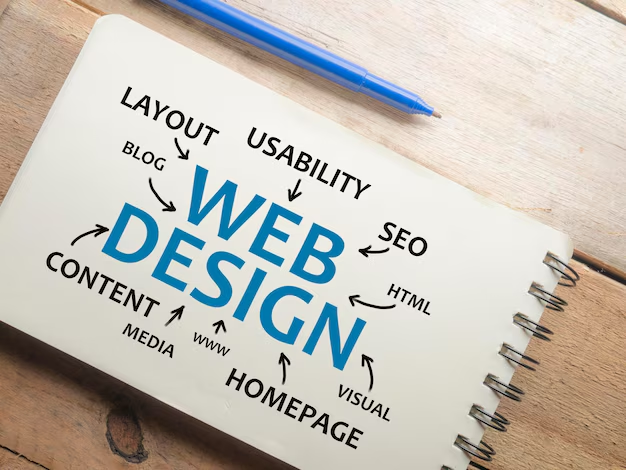
A website is often the first interaction customers have with a business, making design a powerful factor in building trust and credibility. A professional website does more than display information; it communicates reliability, expertise, and brand value within seconds. Visitors evaluate everything from layout and navigation to visual consistency, page speed, and content quality when deciding whether a business feels trustworthy.
At 8 Waves Creative, we understand that credibility is created through intentional design choices that combine user experience, technical performance, branding, and clear communication. A well-designed website helps businesses establish authority, encourage engagement, and guide visitors toward meaningful actions.
This guide explains how website designers can improve trust and credibility through strategic design practices, including visual branding, user-focused layouts, technical optimization, and conversion-driven elements.
Short Answer
Website design improves trust and credibility by creating a professional, user-friendly experience that communicates reliability. Clear navigation, consistent branding, fast loading speeds, mobile responsiveness, quality content, security features, and authentic visuals help visitors feel confident about interacting with a business. A trustworthy website removes confusion, builds authority, and encourages users to take action.
Why Website Trust Matters for Online Success
A website acts as a digital representation of a business. Before contacting a company, purchasing a service, or sharing personal information, visitors often judge whether the website appears professional and dependable.
Trust is influenced by many design elements, including:
- Visual appearance
- Website organization
- Brand consistency
- Content quality
- Loading speed
- Security signals
- Ease of navigation
A website with outdated visuals, confusing menus, or inconsistent messaging can create doubts about a company’s professionalism. On the other hand, a carefully designed website helps visitors feel comfortable and confident.
The Importance of First Impressions
Users form opinions about websites almost instantly. Within moments, visitors decide whether a website appears credible enough to explore further.
A strong first impression comes from:
- A clean layout
- Professional imagery
- Clear messaging
- Balanced spacing
- Easy navigation
- Strong visual hierarchy
Website designers should focus on creating experiences that communicate confidence before users even read the full content.
Trust as a Conversion Factor
Credibility directly affects conversions. Visitors are more likely to request information, schedule consultations, or purchase services when they believe a business is legitimate. A trustworthy website reduces hesitation by answering user questions, presenting valuable information, and creating a smooth browsing experience.
Key Statistics Behind Website Credibility
Understanding the relationship between design and trust helps designers make better decisions.
- According to Stanford Web Credibility Research, website design plays a major role in how users evaluate business credibility.
- Research from Nielsen Norman Group highlights that usability and clear navigation strongly influence user satisfaction.
- Google emphasizes page experience factors such as mobile usability, security, and performance as important considerations for search visibility.
- Studies show that users often leave websites that provide poor experiences, including slow loading times and difficult navigation.
These insights demonstrate why website design should focus on both appearance and functionality.
Core Design Elements That Build Trust
A trustworthy website starts with simple design choices that make visitors feel comfortable and confident. From consistent branding to clear content and professional visuals, each element can shape how people view your business.
Consistent Branding Creates Recognition
A credible website should reflect a consistent brand identity across every page.
Important branding elements include:
- Logo placement
- Color palette
- Typography
- Image style
- Brand messaging
Consistency helps visitors recognize the business and creates a sense of professionalism.
Professional Visual Design
Design quality influences how users perceive expertise. A polished website demonstrates attention to detail and creates confidence.
Professional design includes:
- Balanced layouts
- High-quality visuals
- Clear call-to-action buttons
- Organized content sections
- Readable typography
A visually appealing website does not need unnecessary effects. Effective design focuses on clarity and usability.
Authentic Content Builds Authority
Visitors trust businesses that provide helpful and transparent information.
Credibility-focused content should include:
- Detailed service explanations
- Customer reviews
- Team information
- Educational resources
- Clear contact details
Content should answer visitor questions instead of simply promoting services.
Step-by-Step Guide to Creating a Credible Website
A credible website should be planned with both your visitors and business goals in mind. Follow these simple steps to create a website that is easy to use, professional, and trustworthy.
Step 1: Understand Your Target Audience
Before designing a website, understand who will use it.
Identify:
- Visitor goals
- Common questions
- Decision-making challenges
- Preferred communication style
Audience research allows designers to create experiences that feel personalized.
Step 2: Create Clear Website Navigation
Navigation directly impacts user confidence.
A trustworthy website should have:
- Simple menus
- Logical page categories
- Search functionality when needed
- Easy access to important information
Visitors should never feel lost while browsing.
Step 3: Improve Website Performance
Speed affects both user experience and credibility.
Slow websites can create frustration and reduce confidence. Designers should focus on:
- Optimized images
- Clean code
- Reduced unnecessary elements
- Efficient hosting solutions
A fast website shows professionalism and improves engagement.
Step 4: Design for Mobile Users
Mobile responsiveness is essential because many visitors access websites through smartphones.
A mobile-friendly website should provide:
- Easy navigation
- Readable text
- Responsive layouts
- Touch-friendly buttons
For additional insights, explore why mobile-friendly web design matters for modern audiences.
Step 5: Add Trust Signals
Trust signals help visitors feel confident about a business.
Examples include:
- Testimonials
- Certifications
- Reviews
- Security badges
- Professional photography
- Transparent contact information
These elements reduce uncertainty and strengthen credibility.
The Role of User Experience in Building Confidence
User experience is closely connected with trust. A website that feels effortless encourages visitors to stay longer and explore more pages.
Clear Calls-to-Action
Visitors should understand what action to take next.
Effective CTAs include:
- Request a Consultation
- Learn More
- Schedule a Discussion
- Explore Services
Avoid generic buttons that create uncertainty.
Accessibility and Inclusive Design
Accessible websites demonstrate professionalism and consideration for all users.
Important accessibility practices include:
- Proper color contrast
- Alternative text for images
- Keyboard-friendly navigation
- Readable content structure
Accessibility improves usability while supporting better search performance.
Strategic Web Design Support
Businesses often work with professionals to create websites that combine aesthetics with performance. Choosing a reliable web design agency in US businesses trust can help ensure that design decisions support credibility, usability, and long-term growth.
Comparison: Trust-Focused Website vs. Poorly Designed Website
| Design Factor | Trust-Focused Website | Poorly Designed Website |
| Navigation | Simple and intuitive | Confusing structure |
| Branding | Consistent visual identity | Mixed styles |
| Content | Helpful and informative | Limited information |
| Performance | Fast loading experience | Slow pages |
| Mobile Experience | Responsive design | Difficult on smaller screens |
| User Confidence | Builds credibility | Creates hesitation |
A website should not only attract visitors but also make them feel confident about choosing a business.
Pros & Cons of Different Website Design Approaches
Choosing the right website design approach depends on your business goals, audience, and long-term needs. Both custom and template-based designs have their benefits, so it is important to choose an option that supports your brand and users.
Custom Strategic Website Design
Pros:
- Unique brand experience
- Better user journey control
- Stronger credibility
- Improved scalability
Cons:
- Requires detailed planning
- Needs professional expertise
Basic Template-Based Website Design
Pros:
- Faster setup process
- Simple customization
Cons:
- Limited uniqueness
- Less flexibility
- May not fully represent brand value
A strategic approach creates a stronger foundation for businesses that want long-term digital growth.
Semantic Keywords & Entity Mapping for Search Optimization
A credibility-focused website should include concepts that help users and search engines understand the business.
Brand and Trust Concepts
- Brand identity
- Digital reputation
- Customer experience
- Visual consistency
- Trust signals
User Experience Concepts
- Responsive design
- Website accessibility
- User interface design
- Information architecture
- Conversion optimization
Technical Performance Concepts
- Core Web Vitals
- Page speed optimization
- Mobile-first design
- Structured data
- Website security
A professional web and design service approach combines these elements to create websites that perform effectively for both users and search engines.
Original Insights & Expert Tips From 8 Waves Creative
A trustworthy website is not created through one design element. It is the result of multiple decisions working together.
The strongest websites combine:
- Strategic layouts
- Authentic messaging
- Strong branding
- Technical excellence
- User-focused experiences
Designers should remember that every interaction contributes to credibility. From the homepage headline to the contact form experience, each detail influences how visitors perceive a brand.
Website Credibility Checklist
Before launching a website, review:
✓ Is the navigation simple?
✓ Does the design represent the brand consistently?
✓ Is the website mobile-friendly?
✓ Are trust signals visible?
✓ Does the content answer user questions?
✓ Does the website load quickly?
✓ Are calls-to-action clear?
Build a Website That Creates Confidence
A successful website does more than attract visitors. It creates confidence, communicates expertise, and guides users toward action. Businesses that prioritize trust-focused design can build stronger relationships with their audiences and create better digital experiences.
At 8 Waves Creative, strategic website design focuses on combining creativity, usability, and performance to help businesses establish a stronger online presence. If you are ready to improve your website’s credibility and create a design that supports business growth, contact us today to discuss your project.
Frequently Asked Questions
What are the most important website elements for building trust?
The most important trust-building elements include consistent branding, clear navigation, professional visuals, customer testimonials, secure browsing, transparent contact information, and valuable content. These features help visitors understand the business and feel comfortable taking the next step.
Can a slow website reduce customer trust?
Yes. Slow loading speeds can create frustration and make visitors question the professionalism of a business. A fast, optimized website improves user experience, keeps visitors engaged, and helps create a more reliable digital presence.
Why does mobile-friendly website design improve credibility?
Mobile-friendly design ensures that visitors have a smooth experience regardless of the device they use. A responsive website with readable text, simple navigation, and accessible features shows that a business values user experience and stays updated with modern expectations.
How can businesses maintain trust after launching a website?
Businesses can maintain trust by regularly updating website content, improving performance, monitoring user experience, keeping security features active, and ensuring branding remains consistent. Continuous improvements help the website stay reliable, relevant, and valuable for visitors.

As Senior Project Manager at 8Waves Creative, Sharon brings a strategic, organized approach to managing complex marketing initiatives. With extensive corporate marketing experience across a range of channels, she understands how the pieces fit together to create cohesive, effective campaigns. She keeps projects moving, teams aligned, and the details on track from start to finish.
Outside of work, Sharon enjoys spending time at the beach and cheering on her children from the sidelines.